
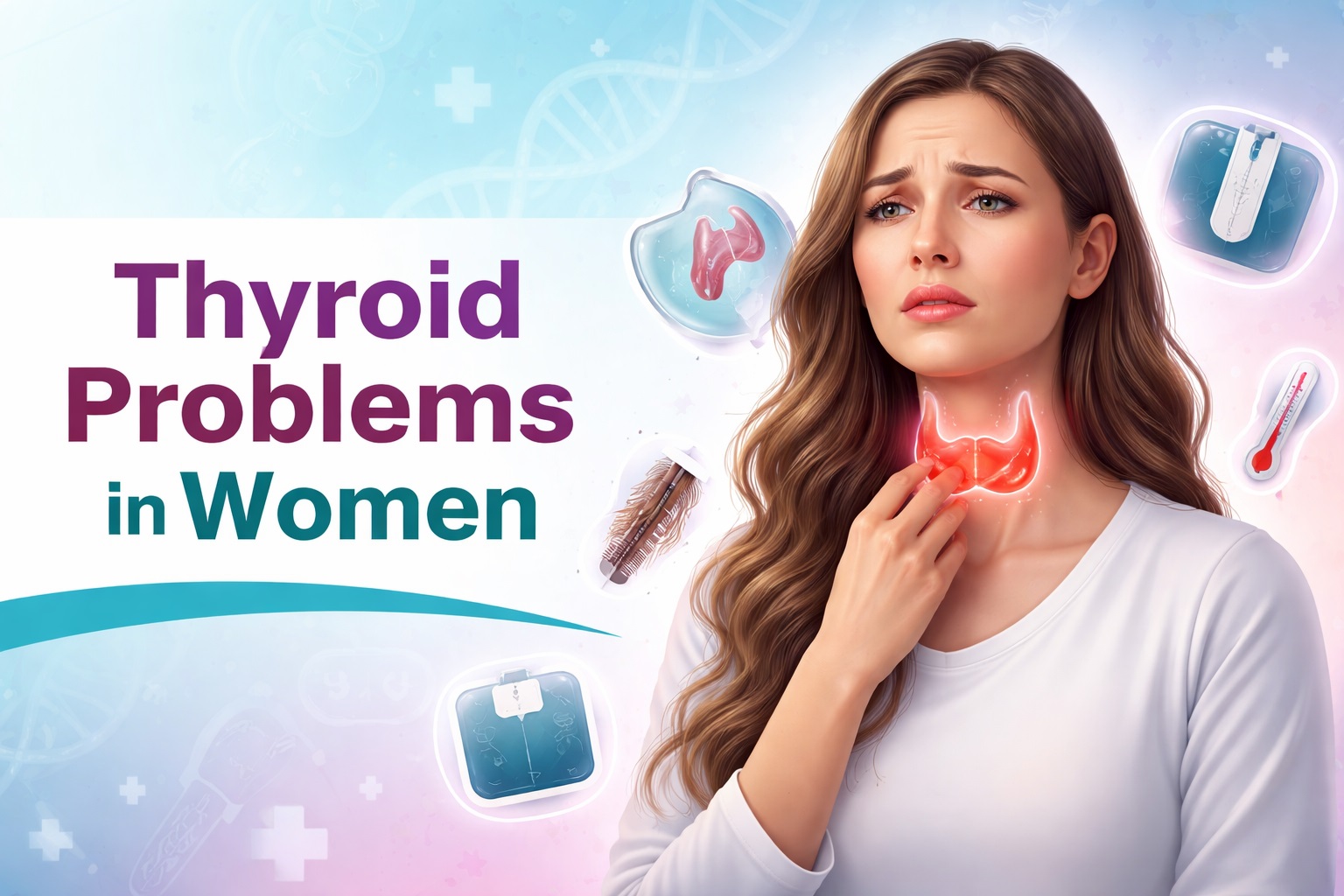
Thyroid Problems in Women have become one of the fastest-growing health concerns globally, yet most women remain unaware of the early warning signs. The thyroid, a small butterfly-shaped gland located at the front of the neck, controls several vital functions—such as metabolism, body temperature, mood regulation, menstrual health, heart rate, digestion, and overall energy levels. According to the American Thyroid Association, women are 5–8 times more likely than men to develop thyroid disorders due to hormonal fluctuations, pregnancy-related changes, autoimmune issues, and lifestyle factors.
When the thyroid becomes underactive (hypothyroidism) or overactive (hyperthyroidism), it triggers a chain of physical, emotional, and hormonal symptoms that can easily be mistaken for stress, aging, or routine fatigue. These subtle yet persistent changes—such as weight fluctuations, irregular periods, hair loss, mood swings, and chronic tiredness—often go unnoticed until the condition becomes severe. In fact, other recurring health issues like UTI in women may sometimes be linked to underlying hormonal imbalances associated with thyroid dysfunction.

for better health. Image generated with the help of ChatGPT.
Why Women Are More Affected by Thyroid Problems in Women
Women experience multiple hormonal shifts throughout life — including menstruation, pregnancy, the postpartum period, and menopause — which makes them significantly more vulnerable to thyroid problems in women. These hormonal transitions directly influence thyroid function and can trigger sudden imbalances.
Several additional factors also increase the risk of thyroid disorders:
- Iodine deficiency
- Autoimmune disorders such as Hashimoto’s thyroiditis
- Genetics and family history
- Chronic stress and disturbed sleep
- Poor dietary habits or nutrient deficiencies
To learn more about thyroid diseases and their causes, visit the Johns Hopkins Medicine overview.
Thyroid Problems in Women: 7 Warning Signs You Should Never Ignore
Thyroid Problems in Women are extremely common but often go unnoticed in the early stages. The thyroid gland controls metabolism, energy levels, menstrual cycles, mood, and body temperature. When thyroid hormone levels become imbalanced, multiple systems of the body are affected.
If two or more symptoms last longer than 4–6 weeks, it is strongly advised to check thyroid levels (TSH, T3, T4).
According to Mayo Clinic, early diagnosis of thyroid problems significantly reduces the risk of long-term complications.
1. Persistent Fatigue and Low Energy
Constant tiredness even after proper sleep is one of the earliest signs of thyroid problems in women, especially hypothyroidism.
Low thyroid hormone slows metabolism and energy production, leading to:
- Continuous fatigue
- Poor concentration
- Day-long sluggishness
- Heavy body feeling
This fatigue does not improve with rest and reflects systemic metabolic slowdown.
2. Sudden Weight Gain or Unexplained Weight Loss
Thyroid hormones regulate basal metabolic rate.
- Hypothyroidism → gradual weight gain, bloating, fluid retention
- Hyperthyroidism → rapid weight loss despite normal appetite
These weight changes are classic indicators of thyroid problems in women.
Scientific thyroid information is provided by National Institutes of Health.
3. Hair Loss, Dry Skin, and Brittle Nails
Reduced thyroid hormone slows skin and hair follicle renewal.
Common signs include:
- Diffuse hair thinning
- Dry, rough, itchy skin
- Dull complexion
- Brittle or splitting nails
These visible changes often appear early in thyroid problems in women.
4. Irregular Menstrual Cycles and Fertility Problems
Thyroid hormones directly affect female reproductive hormones.
Women may experience:
- Heavy or prolonged periods
- Missed or irregular cycles
- Ovulation disturbances
- Difficulty conceiving
Untreated thyroid imbalance may increase miscarriage risk. Women’s reproductive health guidance is available from WomensHealth.gov.
5. Mood Swings, Anxiety, Depression, and Brain Fog
Thyroid imbalance alters neurotransmitters such as serotonin and dopamine.
- Hyperthyroidism → anxiety, irritability, restlessness
- Hypothyroidism → depression, memory issues, slow thinking
Many women are treated for mental health symptoms while the underlying cause is thyroid dysfunction.
Clinical explanation is available from Cleveland Clinic.
6. Sensitivity to Heat or Cold
Temperature intolerance is a classic sign of thyroid problems in women:
- Feeling unusually cold → hypothyroidism
- Excess sweating or heat intolerance → hyperthyroidism
This happens due to disturbed thermoregulation and altered metabolism.
7. Muscle Weakness, Joint Pain, and Reduced Stamina
Low thyroid hormone affects neuromuscular function, especially in women over 35.
Common complaints include:
- Muscle cramps
- Joint stiffness
- Slow reflexes
- Difficulty climbing stairs
- Reduced physical endurance
Long-term untreated thyroid problems may lead to neuromuscular complications.
Types of Thyroid Problems in Women
- Hypothyroidism (Underactive Thyroid): fatigue, weight gain, hair fall, depression
- Hyperthyroidism (Overactive Thyroid): weight loss, anxiety, palpitations, sweating
- Thyroid Nodules / Goiter: swelling or lumps in the thyroid gland
Normal TSH Range in Women
- TSH: 0.4 – 4.0 mIU/L
- T3: 80 – 200 ng/dL
- T4: 5.0 – 12.0 µg/dL
Values may vary depending on laboratory standards, age, and pregnancy.
Lifestyle and Diet Support
Helpful habits:
- Regular sleep
- Daily walking or light exercise
- Stress management
- Fresh fruits and vegetables
- Adequate protein
Limit:
- Processed foods
- Excess sugar
- Deep-fried items
- Refined carbohydrates
Diet supports treatment but does not replace medication.
When Should You Visit a Doctor for Thyroid Problems in Women?
Many women ignore early symptoms of thyroid imbalance, assuming they are caused by stress, aging, or lifestyle changes. However, thyroid problems in women often develop slowly and may affect multiple body systems if left untreated.
You should seek medical attention if you experience any of the following symptoms for more than a few weeks:
- Difficulty managing weight despite normal eating habits
- Prolonged or unexplained fatigue
- Irregular or missed menstrual cycles
- Persistent hair loss, dry skin, or brittle nails
- Mood changes such as anxiety, depression, or brain fog
- Sensitivity to heat or cold
- Muscle weakness or joint pain
These symptoms may indicate an underactive or overactive thyroid and require medical evaluation.
Doctors usually confirm thyroid problems in women through simple blood tests, including:
- TSH (Thyroid Stimulating Hormone)
- T3 and T4 (thyroid hormones)
- Thyroid antibody tests (to detect autoimmune thyroid disease)
According to Mayo Clinic, early diagnosis of thyroid disorders helps prevent complications such as infertility, heart disease, and long-term metabolic issues.
Women who are planning pregnancy, experiencing fertility problems, or have a family history of thyroid disease should be especially proactive about thyroid screening.
Can Thyroid Problems in Women Be Treated?
Yes. The good news is that thyroid problems in women are highly manageable with proper medical care and regular monitoring.
Treatment depends on the type of thyroid disorder:
Hypothyroidism (Underactive Thyroid)
This condition is usually treated with daily thyroid hormone replacement medication. The goal is to restore normal hormone levels and relieve symptoms such as fatigue, weight gain, and depression.
Hyperthyroidism (Overactive Thyroid)
Treatment options may include medication to reduce hormone production, beta blockers to control symptoms like palpitations, and in some cases radioactive iodine or surgery.
Clinical guidance on thyroid management is provided by Cleveland Clinic.
Role of Lifestyle in Thyroid Management
Along with medication, lifestyle changes play an important supportive role in recovery:
- Maintain regular sleep patterns
- Follow a balanced diet rich in nutrients
- Reduce stress through yoga or light exercise
- Avoid smoking and excessive alcohol
- Attend regular follow-up appointments
Although diet and lifestyle cannot replace medical treatment, they significantly improve overall well-being and treatment response.
Scientific thyroid care information is also available from National Institutes of Health.
FAQs About Thyroid Problems in Women
Q 1. What are the first warning signs of thyroid problems in women?
Fatigue, sudden weight changes, irregular periods, hair thinning, mood swings, and sensitivity to hot or cold temperatures are among the earliest and most common signs of thyroid problems in women. These symptoms usually develop gradually and are often mistaken for stress or lifestyle issues.
Q 2. Can thyroid problems affect fertility in women?
Yes. Thyroid imbalance can disrupt ovulation, menstrual cycles, and reproductive hormone levels, making it harder to conceive naturally. Proper treatment significantly improves fertility outcomes.
Q 3. How are thyroid problems diagnosed?
Doctors typically use blood tests such as:
- TSH (Thyroid Stimulating Hormone)
- T3 and T4 thyroid hormone levels
- Thyroid antibody tests (for autoimmune thyroid disease)
These tests help determine whether the thyroid is underactive or overactive.
Q 4. Can thyroid problems be cured?
Most thyroid disorders are not permanently curable, but they are highly treatable. Medication, lifestyle changes, and regular monitoring help maintain normal thyroid function and allow women to live healthy lives.
Q 5. Do thyroid problems get worse with age?
Yes. Thyroid disorders are more common in women above 35, especially after pregnancy or menopause, due to natural hormonal changes. Regular screening is recommended if symptoms persist or there is a family history.
Conclusion
Thyroid Problems in Women are common but often ignored in the early stages. Symptoms like persistent fatigue, weight changes, hair loss, mood swings, menstrual irregularities, and temperature sensitivity should never be taken lightly.
The good news is that thyroid disorders are highly manageable with early diagnosis, proper medication, healthy lifestyle habits, and regular monitoring. Simple blood tests (TSH, T3, T4) can detect thyroid imbalance before serious complications develop.
Hormonal imbalance linked with thyroid disorders may also increase the risk of urinary infections and ovarian conditions. You can also read our detailed guide on UTI in Women: Triggers and Prevention and understand the hormonal differences explained in PCOD vs PCOS: Key Differences, which often coexist with thyroid problems in women.
If you notice ongoing symptoms, consult a qualified healthcare professional without delay. Early treatment helps prevent infertility, heart problems, chronic fatigue, and mental health issues—allowing most women to live completely normal, healthy lives.
Listening to your body and acting early is the key to long-term hormonal health.
Medical Disclaimer
This article is for informational purposes only and does not replace professional medical advice, diagnosis, or treatment.
Always consult a qualified healthcare provider before starting any medication or making health-related decisions regarding thyroid problems in women.

Dr. Neeraj Kumar Verma is an Assistant Professor in the Institute of Pharmacy at Shri Ramswaroop Memorial University. He specializes in Pharmaceutics and pharmaceutical education and has extensive experience in teaching pharmacy students and guiding academic research.He is the founder of PharmacyProfessor.com, an educational platform that provides pharmacy notes, GPAT preparation resources, research guidance, and pharmacy career information for B.Pharm and D.Pharm students. Through his website and educational content, he helps pharmacy students understand complex pharmaceutical concepts and succeed in competitive exams and academic research.